

In today’s digital world, A Local Area Network (LAN) is the unsung hero of modern connectivity, quietly powering our homes, offices, and schools. By interconnecting devices within a limited geographic area, LANs enable seamless communication and resource sharing.
What is LAN?
A LAN is a computer network that interconnects devices within a limited geographic area. It enables devices to share resources like printers, files, and internet connections. LANs typically use technologies like Ethernet cables or Wi-Fi to facilitate communication between devices.
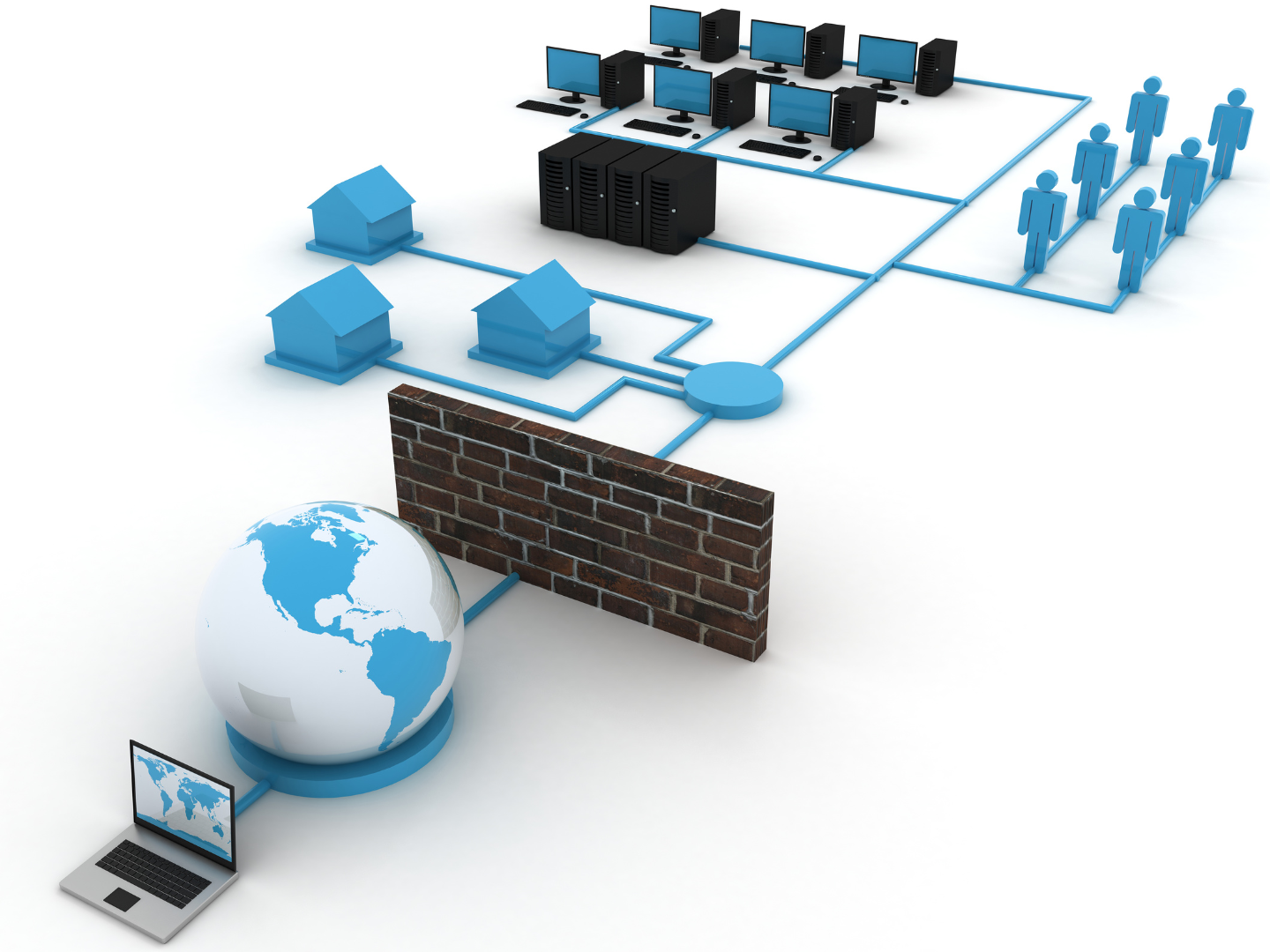
In a LAN setup, you’ll find:
Firewalls and Security Appliances: They protect the network from cyber threats.
Computers and Laptops: These are the main devices people use to connect to the network and share files.
Routers and Switches: They help direct data traffic between devices in the network, ensuring smooth communication.
Servers: These store and manage data, applications, and services accessed by users in the network.
Printers and Scanners: Shared devices that allow users to print and scan documents from anywhere in the network.
Network Attached Storage (NAS): Central storage devices accessible to everyone in the LAN.
How We Improve LAN Setup
Network Design and Implementation: They design and set up LANs according to specific needs.
Infrastructure Deployment: Installing and integrating hardware like cables, routers and switches for optimal performance.
Security Integration: Adding security measures like firewalls to keep LANs safe from cyber attacks.
Cloud Integration: Connecting LANs to cloud services for easier access to data and collaboration.
Managed Services: Providing ongoing maintenance and support to keep LANs running smoothly.
Streamline Your Operations with a Reliable LAN Solution
A well-designed LAN offers numerous benefits. It enhances productivity by facilitating efficient file sharing, collaboration, and access to shared resources.
Seamless communication between devices and users is also improved, streamlining workflows. Centralized management simplifies administration and maintenance tasks, reducing downtime and increasing efficiency. Enhanced security measures protect the network from cyber threats, safeguarding sensitive data.
Finally, a well-designed LAN is scalable, allowing for future growth and expansion as your business evolves.


